


AI protein design is often associated with creating entirely new proteins from scratch. That is an important part of what GaluxDesign can do. But in therapeutic discovery, another important challenge is this: can we take a powerful natural protein and redesign it to behave more like a drug?
Our PD-1/IL-18v bispecific antibody program, presented at AACR 2026, is a clear example of this second approach.
In this study, we used GaluxDesign, our AI-driven protein design platform, to optimize IL-18, a naturally occurring cytokine with strong antitumor potential. Rather than designing a protein de novo, we re-engineered IL-18 to overcome the limitations that have made it difficult to use therapeutically.
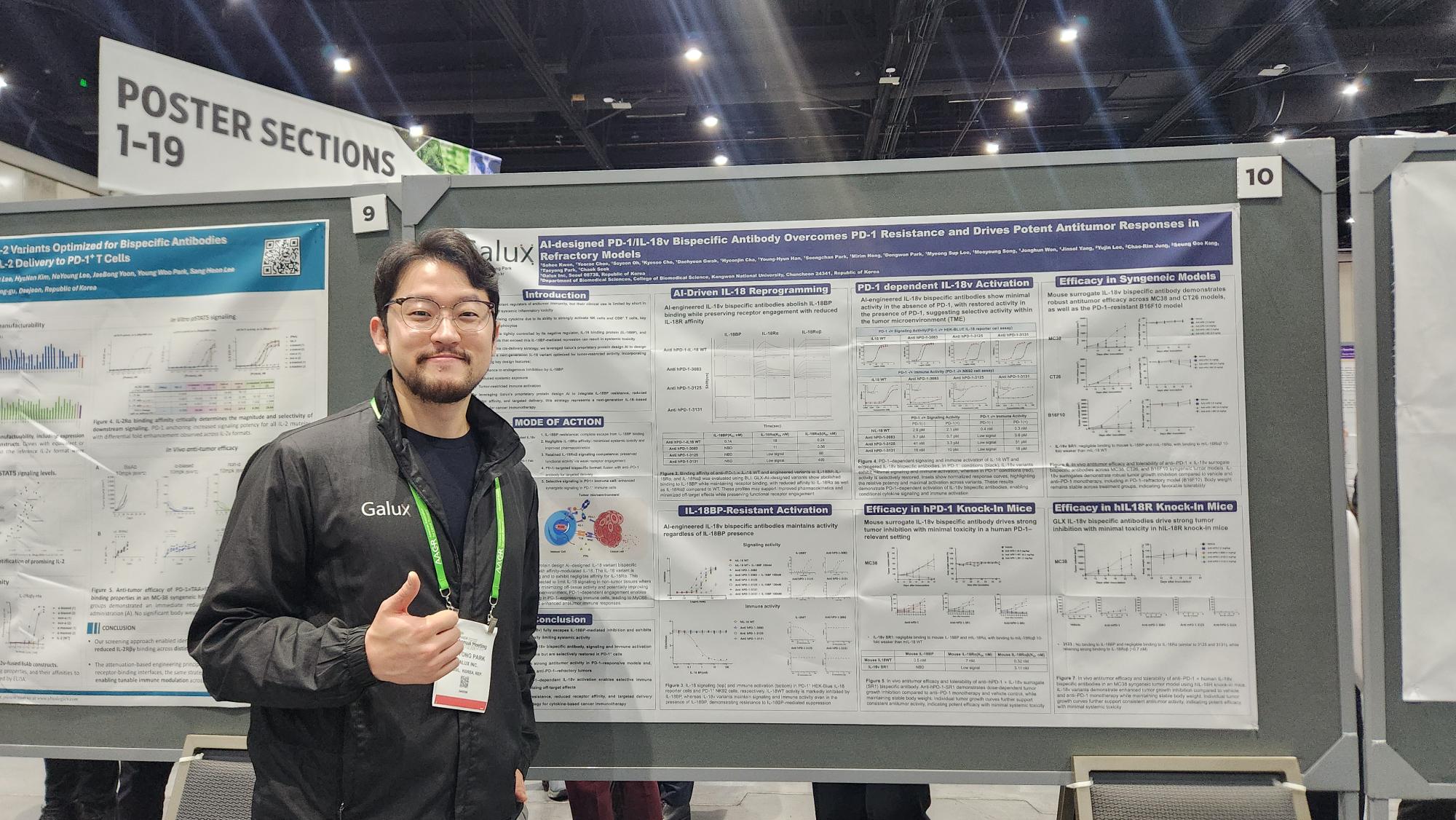
Taeyong Park, Co-founder of Galux, presenting poster abstract at AACR 2026
Why IL-18?
Interleukin-18, or IL-18, is a powerful immune-activating cytokine. It can stimulate NK cells and CD8⁺ T cells, both of which are critical for antitumor immunity.
But IL-18 has been difficult to use as a therapeutic.
Its activity can cause systemic inflammatory toxicity. It is also naturally inhibited by IL-18 binding protein, or IL-18BP, which can neutralize IL-18 before it produces the desired immune response. In other words, IL-18 has strong biological potential, but its natural form is not optimized as a drug.
This made IL-18 an ideal challenge for AI-driven protein engineering.
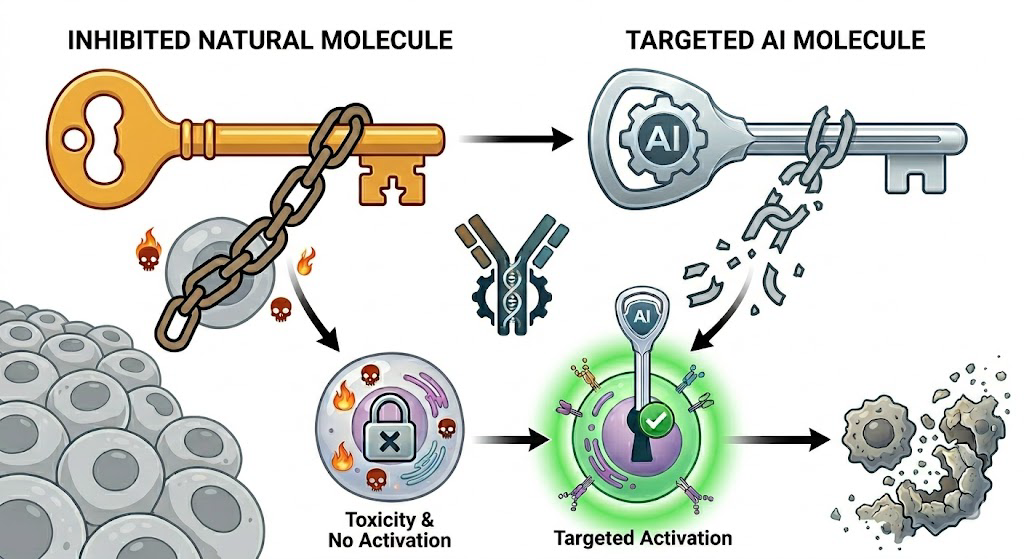
Designing IL-18 to behave differently
Using our proprietary AI-based protein design platform, GaluxDesign, we engineered an IL-18 variant, IL-18v, with a different functional profile from wild-type IL-18.
Escape IL-18BP inhibition
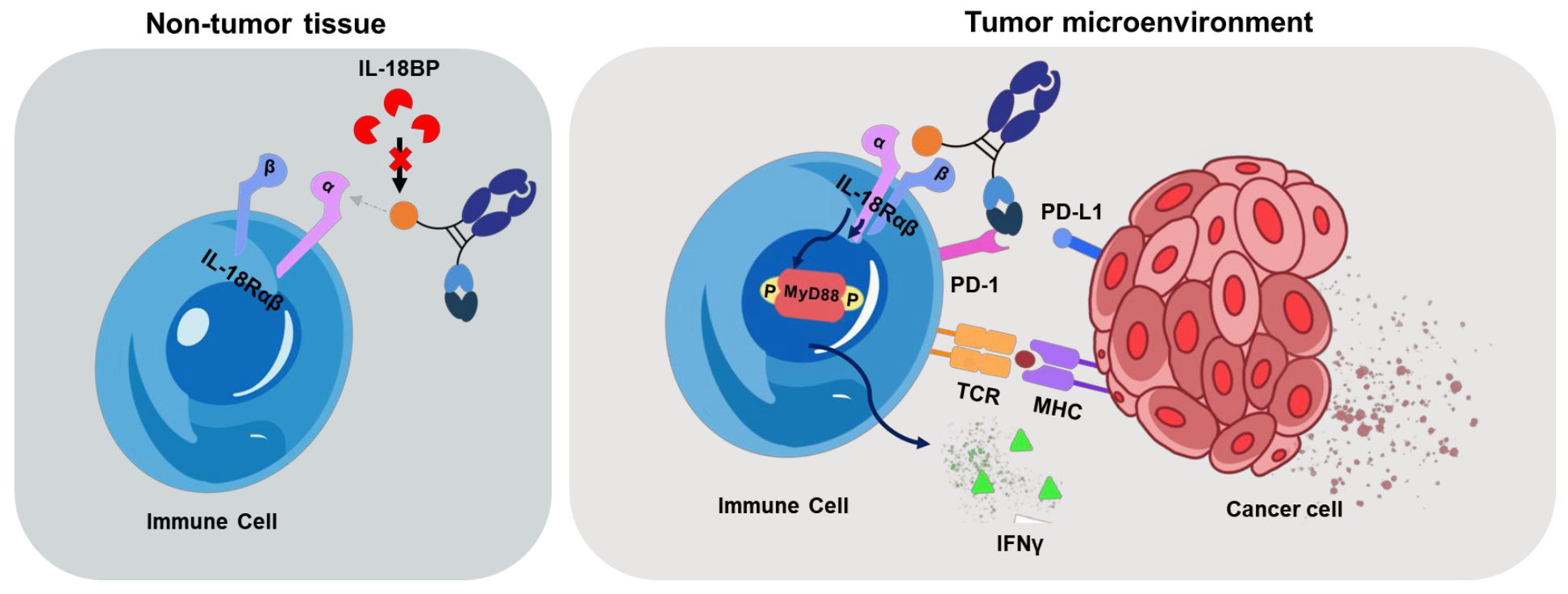
IL-18v was designed to avoid binding to IL-18BP, allowing it to maintain activity even in the presence of this natural inhibitor.
Reduce peripheral receptor activation
IL-18v was intentionally designed to have reduced affinity for IL-18Rα. This helps limit unwanted IL-18 signaling when the cytokine is not localized to the tumor microenvironment.
Restore activity through PD-1 targeting
By incorporating IL-18v into an anti–PD-1 bispecific antibody, we aimed to restore cytokine activity specifically in PD-1–expressing immune cells, which are enriched in the tumor microenvironment.
This is the kind of multi-parameter optimization that is difficult to achieve through conventional engineering alone. The molecule needed to lose one interaction, weaken another, preserve functional signaling, improve stability, and become active only in the intended biological context.
From design to therapeutic validation
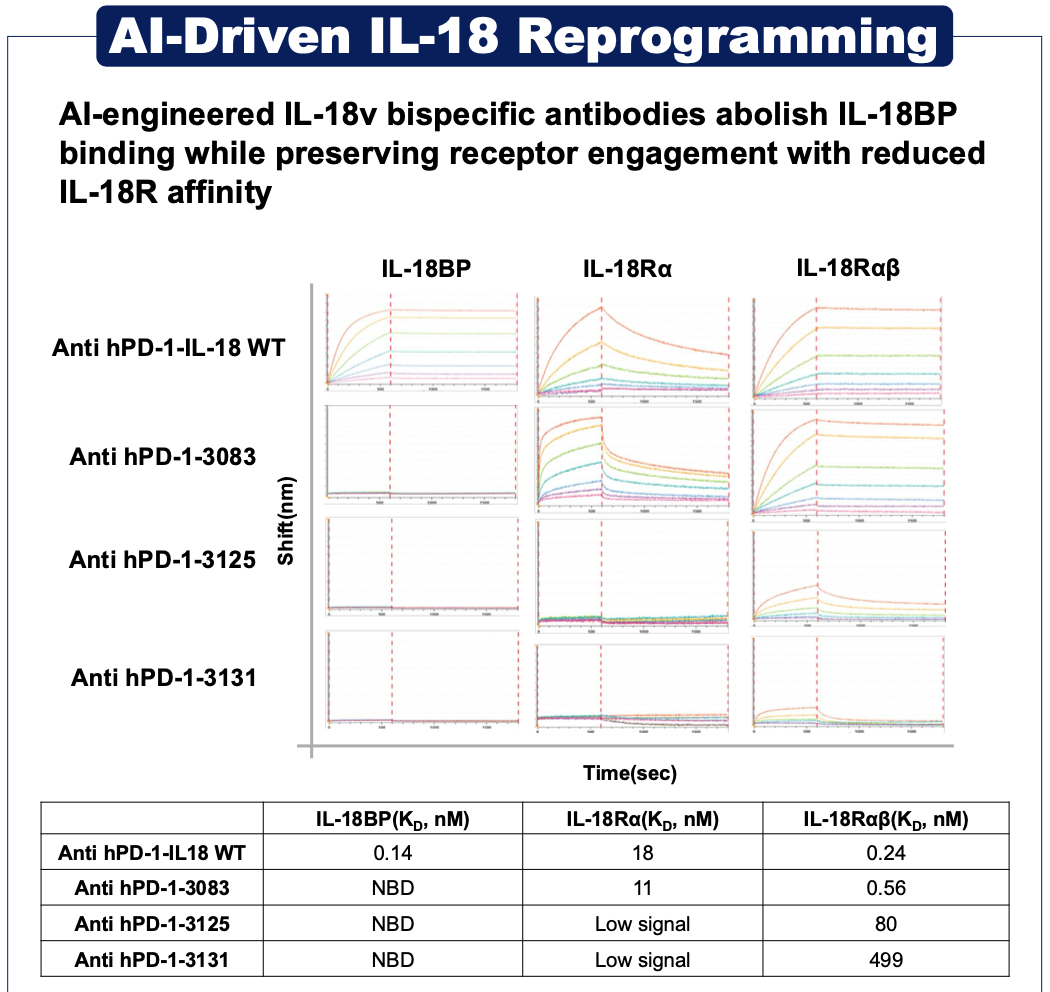
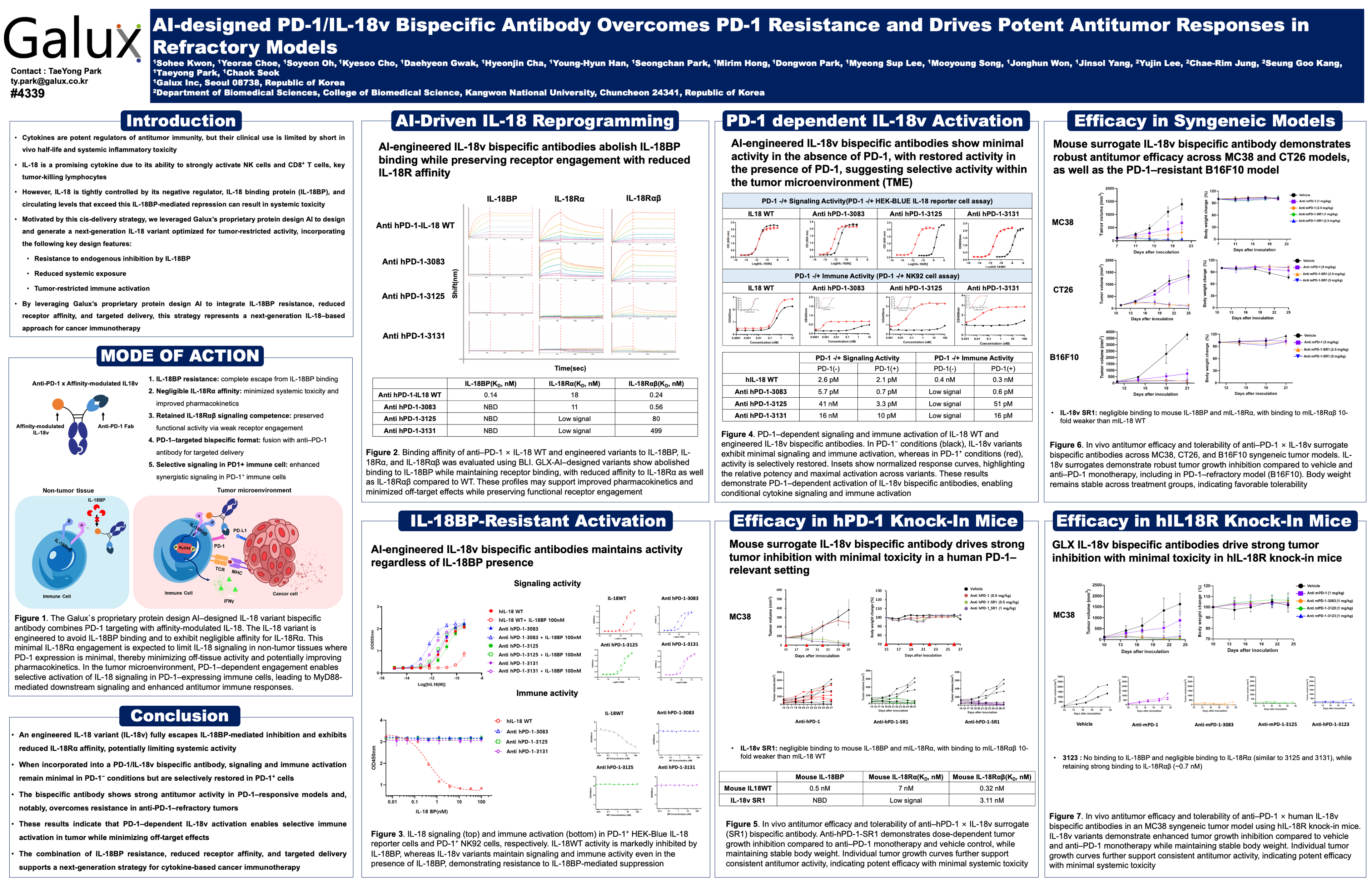
The engineered IL-18v was experimentally validated for binding, stability, signaling activity, immune activation, and antitumor efficacy. The variant fully escaped IL-18BP-mediated inhibition, showed improved thermal stability compared with wild-type IL-18, and had reduced IL-18Rα affinity as intended.
When incorporated into the PD-1/IL-18v bispecific antibody format, its activity was selectively restored in PD-1–positive cells. In PD-1–negative cells, activity remained minimal; in PD-1–positive reporter and immune cell systems, cytokine signaling was strongly enhanced.
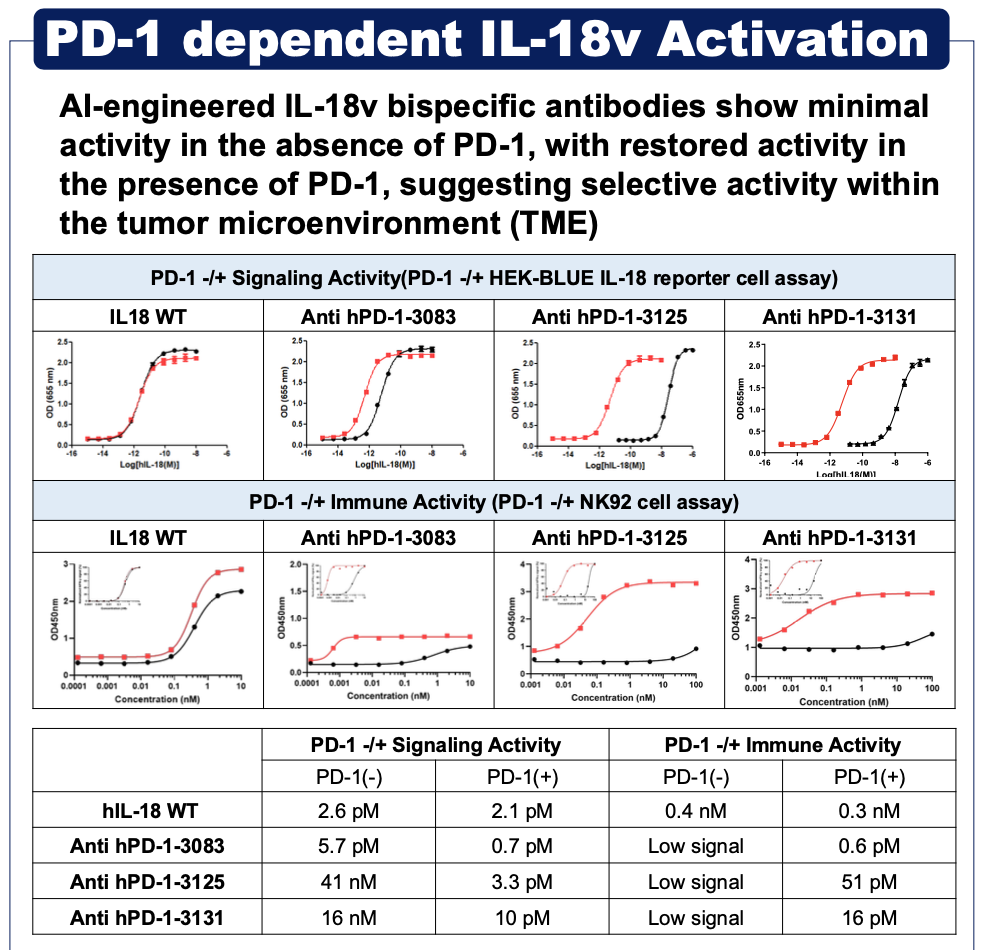
This conditional activity is central to the therapeutic concept. The molecule is designed not to act broadly throughout the body, but to become active in PD-1–rich immune environments such as the tumor microenvironment.
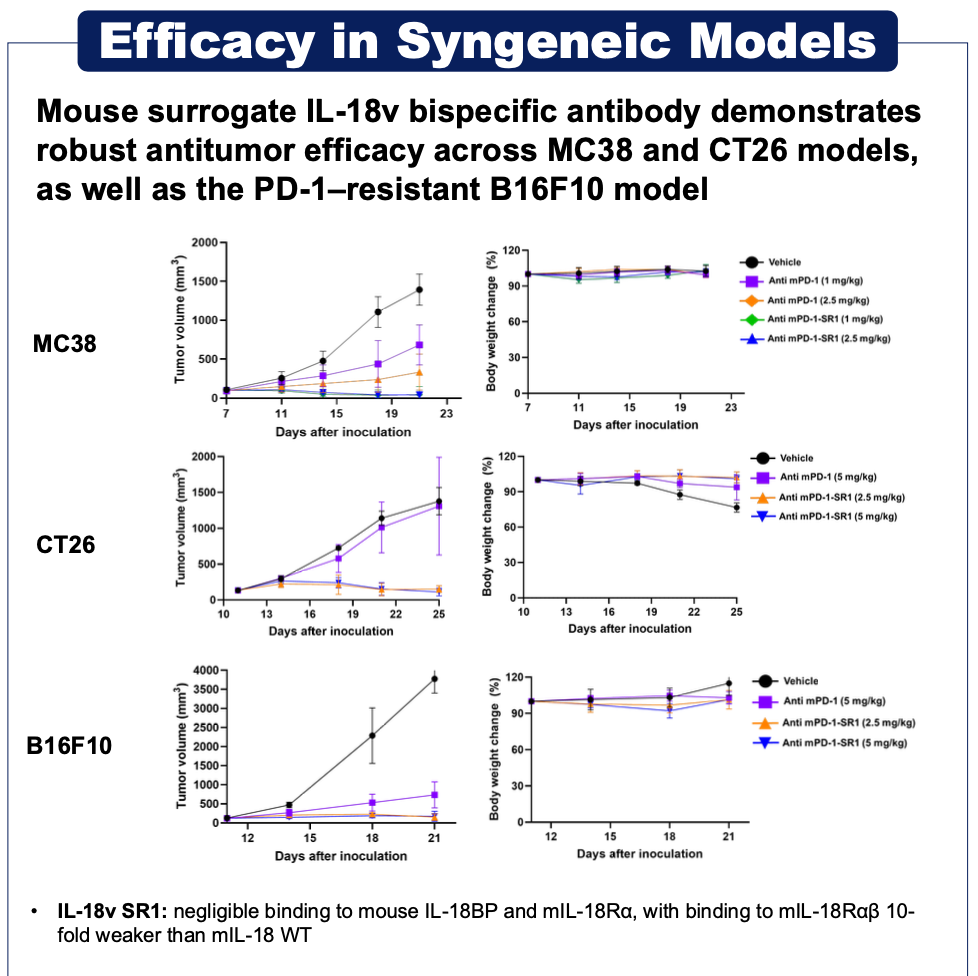
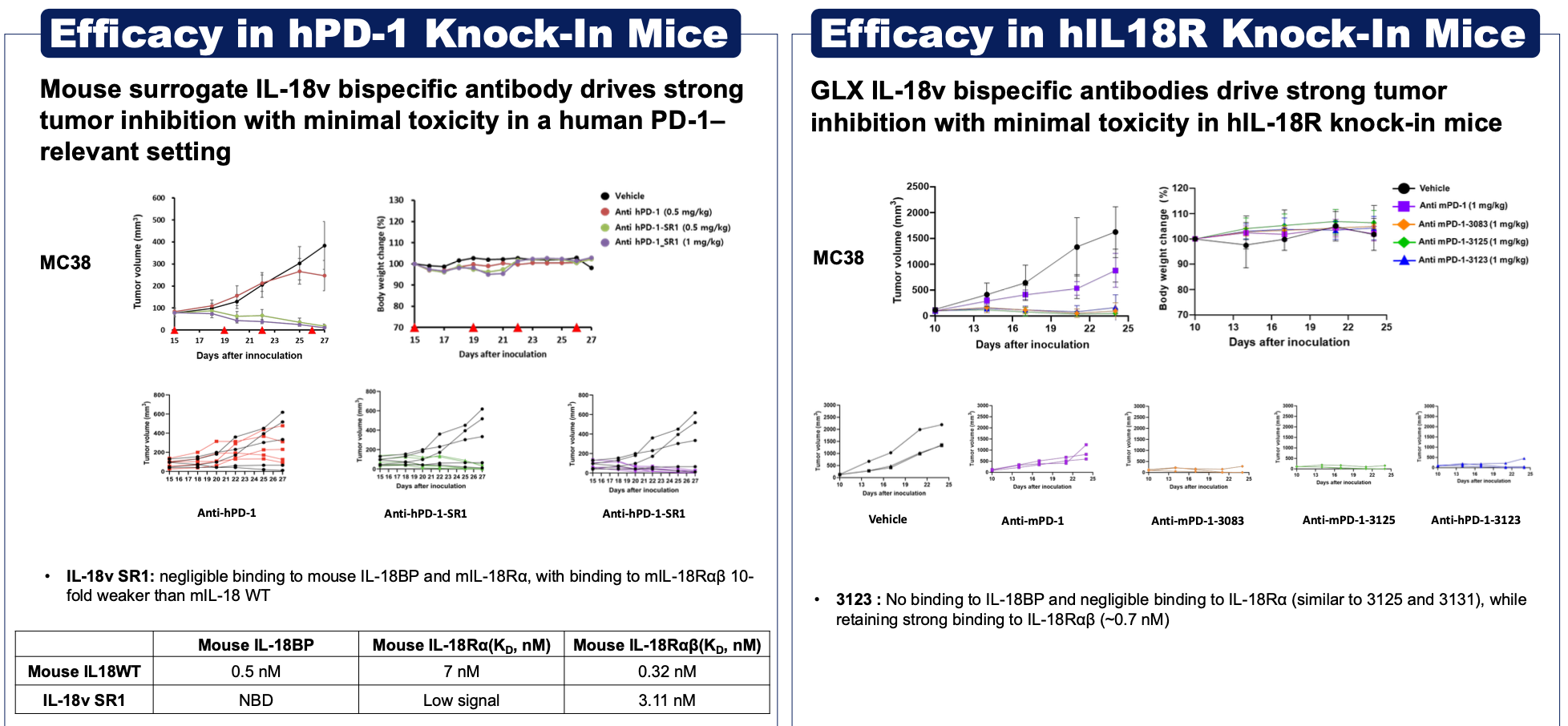
The in vivo results were also encouraging. In PD-1-refractory models such as CT26 and B16-F10, the mPD-1/IL-18v mouse surrogate bispecific Ab achieved greater than 90% tumor growth inhibition with minimal body weight changes over repeated dosing. In hPD-1 knock-in mice, the hPD-1/IL-18v mouse surrogate bispecific Ab demonstrated potent antitumor activity with negligible impact on body weight. Similarly, in hIL-18R knock-in mice, the mPD-1/IL-18v bispecific Ab showed strong antitumor efficacy while maintaining stable body weight.
Why this matters?
This reflects what we are building at Galux.
Galux is an AI protein design company, but our goal is broader than generating protein sequences. We are building a platform that can move from AI-driven molecular design to biological validation, and ultimately to development of better therapeutics.
PD-1/IL-18v demonstrates that GaluxDesign can be used not only to create new proteins, but also to reprogram existing therapeutic proteins to have more desirable drug-like properties.
As shown in this cytokine engineering program, many biologically powerful molecules have clear therapeutic promise but face practical barriers before they can become viable drugs. By redesigning these molecules to overcome limitations, GaluxDesign can help expand what is possible in biologics discovery.
By combining AI protein design with therapeutic engineering and preclinical validation, we believe Galux can help open a new paradigm in drug discovery and development: one where proteins are designed from the beginning to behave like better drugs.
Find more details in the original poster:
[Contact us]
Powered by Froala Editor